Business Details
21 Years
experience
Humanitarian Architecture for Lasting Impact
Article 25 is the UK's leading architectural NGO working in the Global South. Our approach begins with extensive community engagement, co-designing buildings with local users to ensure they meet genuine needs. We prioritise local workforces, training communities in sustainable construction techniques and using locally sourced materials to create resilient structures. Our projects withstand extreme weather and seismic activity while incorporating climate-positive innovations like passive design and off-grid solutions.By leveraging pro-bono and low-bono expertise, we deliver high-quality hospitals, schools, and homes that align with 16 UN Sustainable Development Goals. Founded on principles of equity and sustainability, we are committed to achieving Net Zero by 2050 and leaving lasting skills and infrastructure in vulnerable regions.
Services
Sustainable Architecture
Disaster-Resilient Design
Community Consultation
Climate-Positive Construction
Global Development Projects
Details
- Year established: 2005
Highlights and features
- We co-design projects with local communities to ensure genuine need fulfillment
- Our structures withstand hurricanes, earthquakes, and extreme weather events
- We train local workforces in sustainable construction techniques for long-term skills transfer
- 100% of projects use locally sourced materials where possible
- We align every project with 16 UN Sustainable Development Goals
Associations and certifications
- Cyber Essentials
What people say
Life-changing infrastructure
Disaster-resilient buildings
Community empowerment
Sustainable solutions
Long-term partnerships
Services
Sustainable Architecture
We create climate-responsive buildings using locally sourced materials and passive design principles. Our approach reduces carbon footprints while ensuring structures meet community needs. Projects incorporate natural ventilation, solar orientation, and rainwater harvesting systems to create self-sustaining environments that benefit both people and ecosystems.
Disaster-Resilient Design
Our buildings withstand hurricanes, earthquakes, and flooding through advanced engineering techniques. We use seismic-resistant construction methods and elevated foundations in flood zones. This ensures critical infrastructure like hospitals and schools remain operational during and after disasters, protecting vulnerable communities.
Community Consultation
We engage local stakeholders throughout the design process to create user-centred solutions. Workshops and co-design sessions ensure projects address specific cultural, social, and environmental contexts. This approach builds trust and guarantees infrastructure aligns with community priorities and traditional knowledge.
Skills Development
We provide construction skills training to local workers, focusing on women and marginalised groups. This creates employment opportunities and ensures communities can maintain infrastructure long-term. Our programs teach modern techniques while respecting traditional building practices and materials.
Global Development Projects
We deliver healthcare, education, and housing projects across 35+ countries. Our work addresses critical gaps in underserved regions through partnerships with NGOs and governments. Each project combines global expertise with local insight to create lasting social impact through physical infrastructure.
People
Paulina Shari Stanley
Site Architect
Led sustainable housing projects in Tanzania, combining technical expertise with community needs to create resilient structures for orphaned children.
Gloria Shali
Engineer
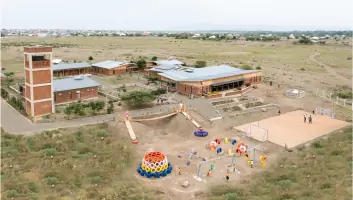
Directed engineering efforts at Kao La Amani Children's Village, ensuring climate-adaptive construction methods met local workforce capabilities in Tanzania.
Questions
What regions does Article 25 operate in?
We work across 35+ countries in Africa, Asia, the Caribbean, and the Pacific, focusing on vulnerable communities needing healthcare, education, and housing infrastructure.
How does Article 25 involve local communities?
We conduct extensive community consultations and co-design sessions, ensuring projects address specific local needs while training residents in sustainable construction techniques.
What makes your buildings disaster-resilient?
We use seismic-resistant construction, elevated foundations in flood zones, and hurricane-proof materials to ensure structures withstand extreme weather and natural disasters.
How are sustainability principles integrated?
We prioritise locally sourced materials, passive design for energy efficiency, and climate-positive technologies like rainwater harvesting systems in all our projects.
Can professionals volunteer their expertise?
Through our 'More Than a Building' network, architects and engineers can contribute skills to social impact projects while gaining professional development opportunities.
How is project success measured?
We track long-term impact through metrics like student numbers educated, patients treated annually, and families housed, with post-completion evaluations ensuring sustained benefits.